Published 02/10/2025
Updated 02/26/2025
8-minutes read!
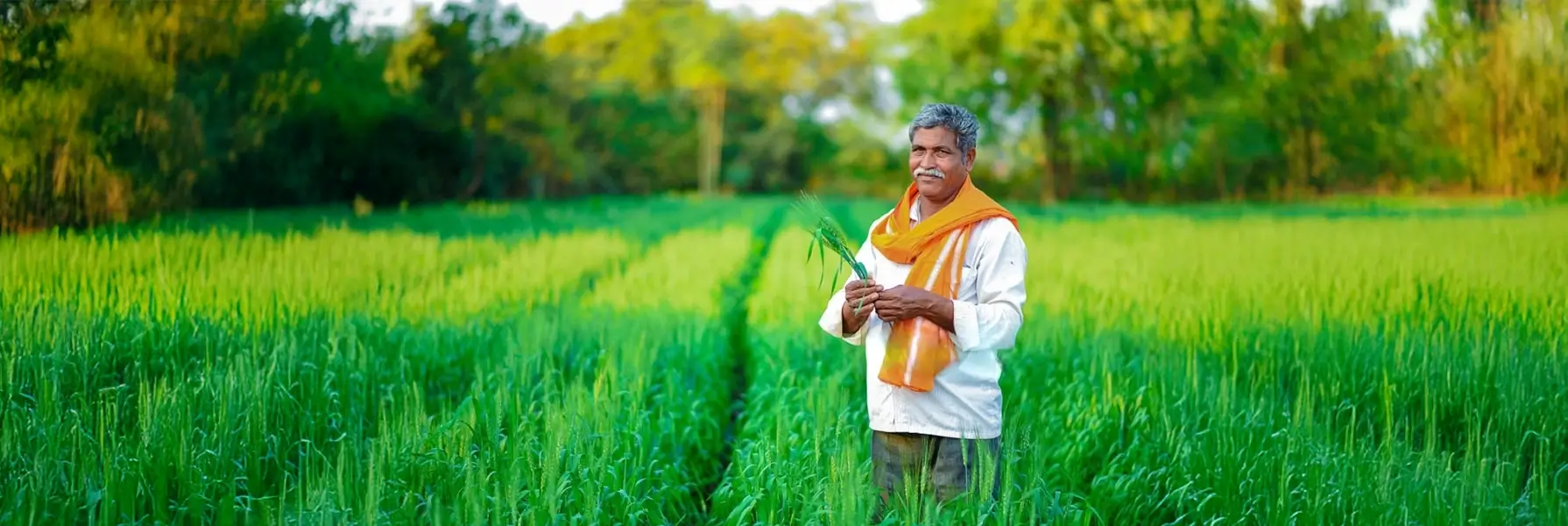
In a country with deep agricultural roots, India is at the forefront of a significant transformation—a return to traditional, sustainable farming practices through organic agriculture. For countless generations, farming has been the backbone of Indian livelihoods, and the modern-day emphasis on organic farming is not just a trend—it's a conscious effort to preserve the environment, improve health, and promote economic well-being. This guide speaks to why Indian farmers should consider switching to organic farming, what is needed for the transition, and how it benefits not only farmers but also the community and the environment.

The reasons for switching to organic farming in India are numerous and compelling, particularly when considering the challenges that chemical-intensive agriculture has introduced. The overuse of pesticides, synthetic fertilizers, and the Green Revolution's intensive farming methods have all had their toll—not just on soil health but on human health, farmer debt, and environmental balance.
The Green Revolution, which began in the 1960s, aimed to increase food production in India through the adoption of high-yielding variety (HYV) seeds, chemical fertilizers, and irrigation techniques. While it successfully alleviated food shortages and transformed India from a food-deficient country to a food-surplus nation, it came with significant long-term costs.
Soil Degradation: The heavy reliance on chemical fertilizers led to a decline in soil health. Over time, the repeated use of synthetic fertilizers depleted essential micronutrients from the soil, making it less fertile. Continuous monocropping, especially of water-intensive crops like wheat and rice, further degraded soil structure and reduced its ability to support diverse crops.
Water Scarcity: The Green Revolution's intensive irrigation practices have pressured India's water resources tremendously. Over-extraction of groundwater for irrigation has led to declining water tables, especially in agriculturally intensive states like Punjab and Haryana. This overuse has caused wells to run dry, making water less accessible for both agricultural and household use.
Chemical Pollution: The extensive use of chemical pesticides and herbicides to protect high-yielding crops introduced a range of pollutants into the environment. These chemicals often found their way into local water bodies, contaminating drinking water supplies and harming aquatic life. The buildup of pesticides in the food chain also poses serious health risks to farmers and consumers.
Loss of Biodiversity: The Green Revolution promoted monoculture, leading to the large-scale abandonment of traditional crop varieties that are more resilient to pests and climatic variations. This loss of crop diversity has made the agricultural ecosystem more vulnerable to pests, diseases, and climate change.
Farmer Debt and Economic Challenges: The increased cost of seeds, chemical fertilizers, and pesticides put a financial strain on farmers, particularly smallholder farmers who struggled to keep up with the rising expenses. Many farmers became dependent on loans to purchase the required inputs, leading to cycles of debt and, in severe cases, contributing to farmer suicides.
Organic farming offers many benefits that ripple through the farmer's life, the community, and the entire planet.
Health Improvements: Farmers who adopt organic practices are less exposed to harmful chemicals, which means fewer health risks and medical expenses.
Increased Profit Margins: As mentioned earlier, organic products can command premium prices. While the initial yield may be slightly lower, farmers benefit in the long run as their soil becomes healthier, eventually leading to higher and more consistent yields.
Self-sufficiency: Organic farming promotes self-sufficiency as farmers learn to produce their compost, bio-pesticides, and natural fertilizers, thereby reducing dependency on external inputs.
Enhanced Health for All: Organic produce, free from harmful residues, benefits the entire community's health. Local consumers benefit from pesticide-free fruits, vegetables, and grains.
Environmental Restoration: All organic farming practices benefit the broader community by reducing soil and water pollution. Streams and groundwater remain uncontaminated by chemical run-off, preserving these vital resources for all community members.
Economic Development: Organic agriculture can lead to rural development by establishing new markets, cooperatives, and agro-tourism. It also creates employment opportunities in organic input production, farmer training programs, and certification processes.
Biodiversity: Conventional farming practices have contributed to biodiversity loss through monocropping and pesticide use. Organic farming encourages a more diverse range of crops and creates habitats for birds, insects, and other wildlife.
Climate Change Mitigation: Healthy soils rich in organic matter sequester carbon from the atmosphere. Organic farms use crop rotation, intercropping, and agroforestry to reduce greenhouse gas emissions, which directly contributes to mitigating climate change.
Reduction in Pollution: Conventional farming contributes to global pollution through synthetic fertilizers and pesticides that often end up in rivers, lakes, and oceans. The benefits of organic farming minimize this runoff, contributing to cleaner waterways and reducing the overall pollution burden on the planet.

Alt Text: A Student practicing Organic Farming in the field with healthy soil.
Image Name: Student-Practicing-Organic-farming.webp
Shifting from conventional to organic farming is a significant decision, requiring time, resources, and a willingness to learn new methods. Below are some of the critical elements that farmers need to successfully make the switch:
Knowledge and Training: The most crucial resource for transitioning to organic farming is knowledge. Farmers need to familiarize themselves with concepts like composting, natural pest management, crop rotation, and intercropping. Various government programs, NGOs, and agricultural universities across India offer training programs that teach these principles. Community knowledge-sharing networks can also play a crucial role, providing experienced organic farmers with opportunities to mentor newcomers.
Certification Process: One of the challenges of organic farming is gaining certification to sell products as organic, which is necessary to fetch premium prices. In India, certification can be obtained through government schemes like the Participatory Guarantee System (PGS-India) or the National Programme for Organic Production (NPOP). Farmers must be ready for a 2-3 year transition period, during which they work towards eliminating chemical residues from their soil to achieve certified organic status.
Access to Natural Inputs: Organic farming techniques rely heavily on natural fertilizers like compost and manure, as well as bio-pesticides derived from neem, garlic, and other local plants. Farmers need to create a composting system on their farms, which may involve some initial investment of labor and resources. Vermiculture—using earthworms to process organic waste—is another common and effective practice for building rich, organic soil.
Community Collaboration: A supportive community is vital to the success of any organic farming endeavor. Farmers who have successfully made the transition are often willing to share their knowledge and experience with neighbors. Additionally, creating cooperative societies can help small farmers pool resources and marketing efforts, enabling them to access larger markets and reduce their financial risk.
Marketing Strategies: Marketing is crucial for organic farmers who wish to capitalize on growing demand. Farmers must connect with organic markets, consumer groups, and farm-to-table restaurants. Using technology and social media can also be advantageous, as urban consumers are increasingly interested in directly purchasing from the farmers who grow their food.
To assist farmers in overcoming these challenges, both governmental and non-governmental organizations have stepped in to support organic agriculture.
The Indian government has launched initiatives like the Paramparagat Krishi Vikas Yojana (PKVY), which offers financial support to help farmers switch to organic methods. Various states have their organic farming policies, which include incentives, market linkages, and subsidies.
NGOs like Organic India Foundation and Navdanya provide training and resources to farmers interested in going organic. These organizations often connect farmers to larger consumer bases, thus reducing the marketing burden for individual smallholder farmers.
The journey of organic farming techniques in India is not without its challenges. It requires commitment, a readiness to learn, and an initial investment in time and labor. However, the long-term benefits—for the farmer, the surrounding community, and the environment—make it a rewarding endeavor. Healthier soils lead to healthier crops, leading to healthier communities.
For farmers, organic farming represents an opportunity to break free from the cycle of dependency on costly chemical inputs, regain financial stability, and reconnect with nature in a more meaningful and sustainable way. The surrounding community benefits from cleaner water, increased biodiversity, and more employment opportunities, while the global community sees reduced greenhouse gas emissions and increased biodiversity. Organic farming, therefore, isn’t just about producing food—it's about nurturing ecosystems, improving livelihoods, and making a lasting commitment to a healthier planet.
India, with its vast agricultural heritage and emerging market for organic produce, is well-positioned to become a global leader in sustainable farming practices. By embracing organic farming, Indian farmers have the power to lead the charge in creating a more balanced, resilient, and abundant future for all.
Government of India, Ministry of Agriculture & Farmers Welfare - Paramparagat Krishi Vikas Yojana (PKVY): https://www.pkvyojana.gov.in
National Centre of Organic Farming (NCOF) - Organic Farming Guidelines: http://ncof.dacnet.nic.in
Organic India Foundation - Resources for Organic Farming: https://organicindiafoundation.org
Navdanya - Seed Sovereignty and Organic Farming Training: https://www.navdanya.org
Food and Agriculture Organization of the United Nations (FAO) - Organic Agriculture: http://www.fao.org/organicag
Participatory Guarantee System (PGS-India) for Organic Certification: https://pgsindia-ncof.gov.in
Research Institute of Organic Agriculture (FiBL) - Organic Farming Techniques and Studies: https://www.fibl.org
 LinkedIn
Erica is a seasoned content writer and journalist with a deep passion for transforming complex topics into compelling, relatable narratives. Since launching her writing career in 2009, she has championed the power of storytelling to educate, inspire, and connect with readers on a personal level. Erica excels at diving deep into subjects through meticulous research, then crafting stories that are not only informative but also unforgettable. With expertise in marketing, education, sustainable medicine, pregnancy, and motherhood, she has a unique ability to create content that resonates deeply with her audience. Erica is particularly passionate about how advancements in these fields can empower women, enhance their well-being, and create lasting positive impacts.
Erica is a seasoned content writer and journalist with a deep passion for transforming complex topics into compelling, relatable narratives. Since launching her writing career in 2009, she has championed the power of storytelling to educate, inspire, and connect with readers on a personal level. Erica excels at diving deep into subjects through meticulous research, then crafting stories that are not only informative but also unforgettable. With expertise in marketing, education, sustainable medicine, pregnancy, and motherhood, she has a unique ability to create content that resonates deeply with her audience. Erica is particularly passionate about how advancements in these fields can empower women, enhance their well-being, and create lasting positive impacts.